







Keynotes
Keynotes
Living Fully, On Purpose: How Small Shifts Lead to a More Meaningful Life
AS SEEN ON
AS SEEN ON
AS SEEN ON
Keynote Topics and Takeaways
A guided experience for teams ready to pause and reconnect.
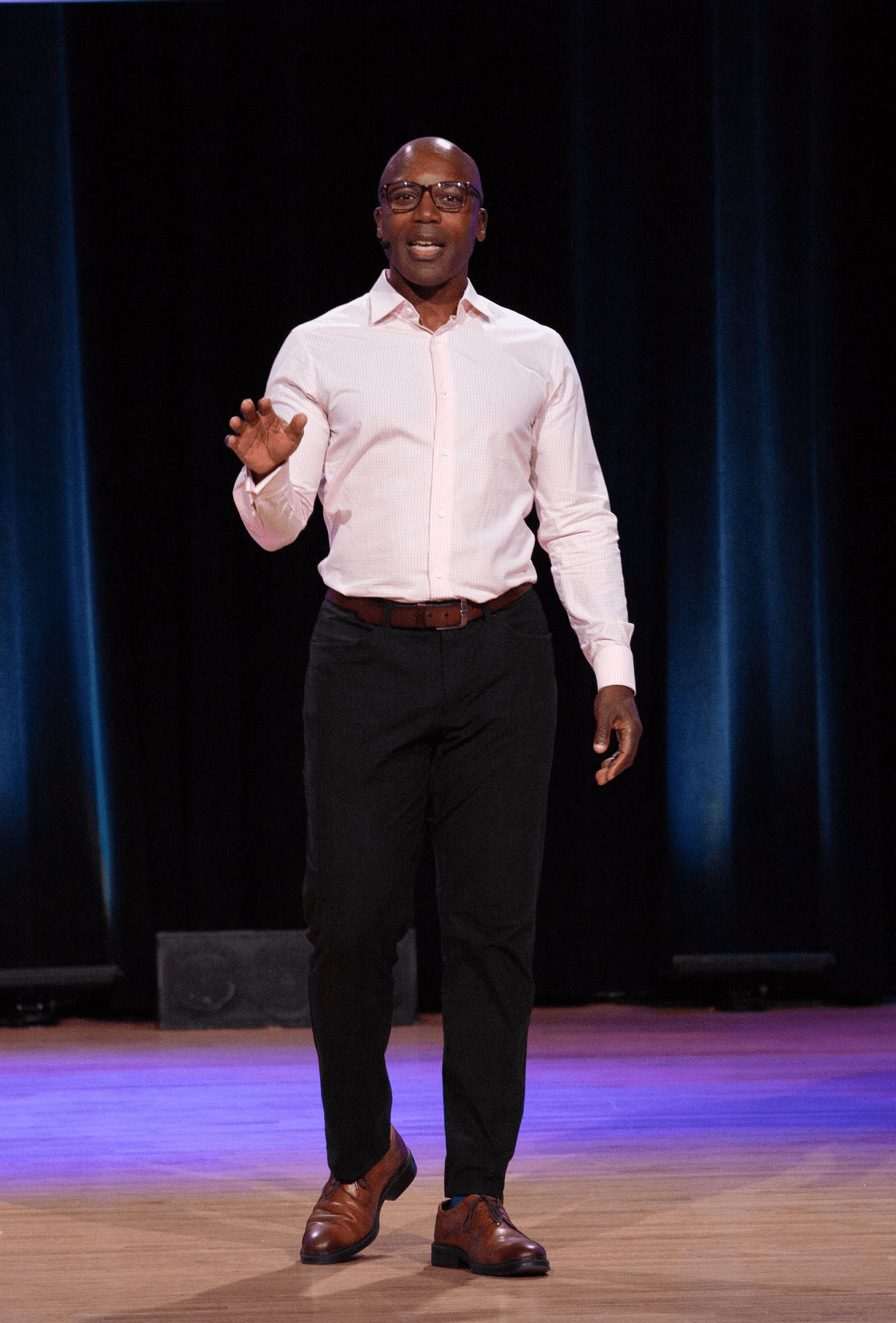
Thinking Clearly When Urgency Is Loud
Leadership today often rewards speed, visibility, and decisiveness, even when clarity is missing. Over time, that pressure can pull leaders into reacting instead of truly leading. Pause to Lead explores what happens when leaders create space before responding. It looks at how urgency shapes behavior, decisions, and culture, and how pausing, even briefly, restores perspective and judgment in the moments that matter most. Pausing doesn’t slow leadership down. It prevents leaders from confusing urgency with importance. This talk is about leading with intention under pressure: staying steady in the room, making clearer calls, and modeling a pace others can trust.
Key Takeaways
Steady in High Pressure
Greater confidence in their ability to stay steady and clear when pressure rises.
Calmer, More Focused Teams
Teams that feel calmer, more focused, and less driven by panic or performative urgency.
Fewer Reactions, Better Decisions
Fewer reactive decisions and more thoughtful responses in visible leadership moments.
Your Pace Shapes Culture
A stronger sense of how their pace and presence shape the people around them.
Thinking Clearly When Urgency Is Loud
Leadership today often rewards speed, visibility, and decisiveness, even when clarity is missing. Over time, that pressure can pull leaders into reacting instead of truly leading. Pause to Lead explores what happens when leaders create space before responding. It looks at how urgency shapes behavior, decisions, and culture, and how pausing, even briefly, restores perspective and judgment in the moments that matter most. Pausing doesn’t slow leadership down. It prevents leaders from confusing urgency with importance. This talk is about leading with intention under pressure: staying steady in the room, making clearer calls, and modeling a pace others can trust.
Key Takeaways
Steady in High Pressure
Greater confidence in their ability to stay steady and clear when pressure rises.
Calmer, More Focused Teams
Teams that feel calmer, more focused, and less driven by panic or performative urgency.
Fewer Reactions, Better Decisions
Fewer reactive decisions and more thoughtful responses in visible leadership moments.
Your Pace Shapes Culture
A stronger sense of how their pace and presence shape the people around them.
Thinking Clearly When Urgency Is Loud
Leadership today often rewards speed, visibility, and decisiveness, even when clarity is missing. Over time, that pressure can pull leaders into reacting instead of truly leading. Pause to Lead explores what happens when leaders create space before responding. It looks at how urgency shapes behavior, decisions, and culture, and how pausing, even briefly, restores perspective and judgment in the moments that matter most. Pausing doesn’t slow leadership down. It prevents leaders from confusing urgency with importance. This talk is about leading with intention under pressure: staying steady in the room, making clearer calls, and modeling a pace others can trust.
Key Takeaways
Steady in High Pressure
Greater confidence in their ability to stay steady and clear when pressure rises.
Calmer, More Focused Teams
Teams that feel calmer, more focused, and less driven by panic or performative urgency.
Fewer Reactions, Better Decisions
Fewer reactive decisions and more thoughtful responses in visible leadership moments.
Your Pace Shapes Culture
A stronger sense of how their pace and presence shape the people around them.
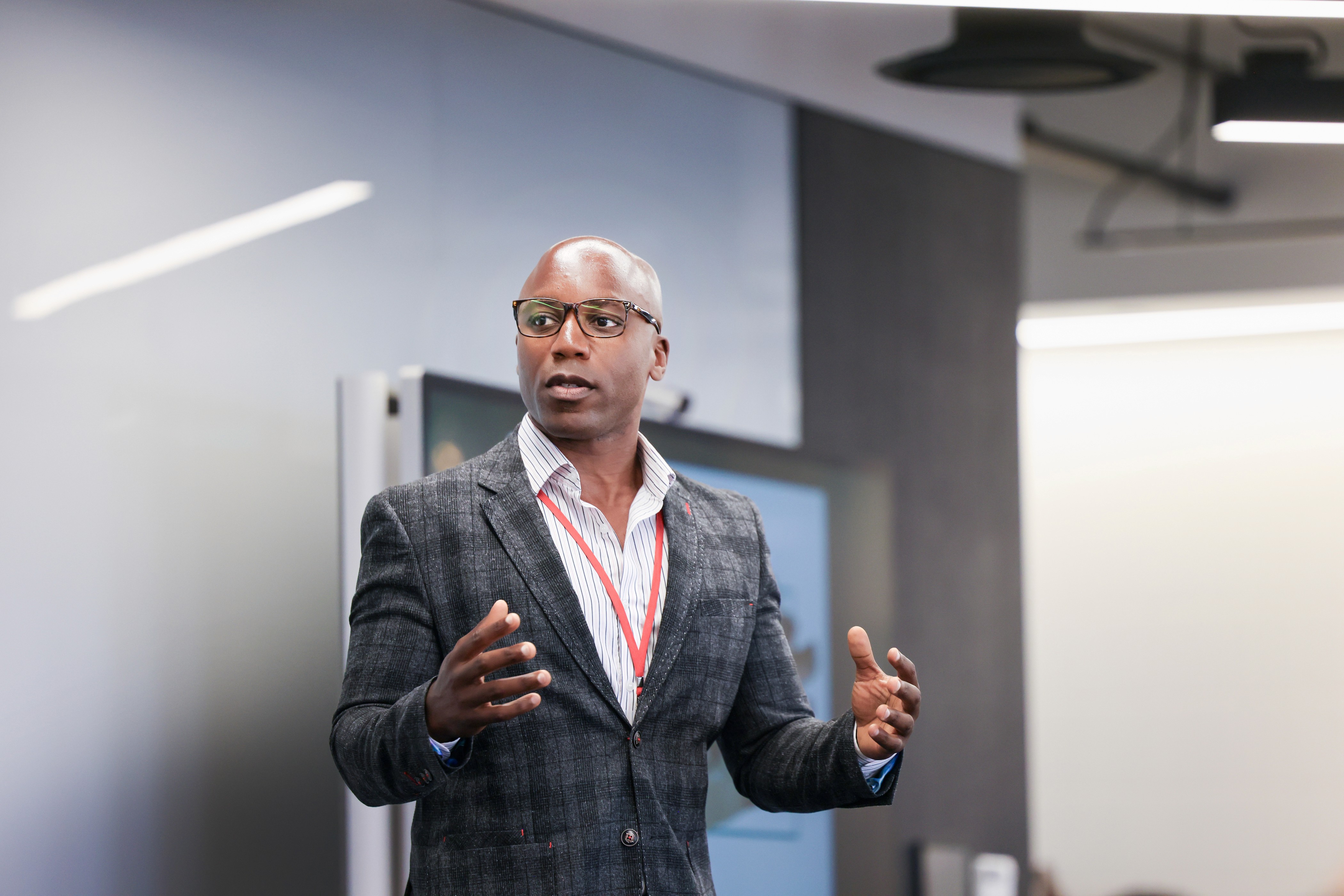
Building Failure Immunity Under Pressure
Performance rarely unravels in the moment something goes wrong. It unravels in what follows, the replay, the self-criticism, the rush to move on before clarity returns. Pause to Perform is not a talk about avoiding mistakes. It’s about what you do once they happen. This talk focuses on the moments after a misstep, setback, or missed outcome. It shows how pausing builds what I call failure immunity, the ability to absorb the hit, learn from it, and move forward without letting one moment define what comes next. The real advantage isn’t perfection. It’s recovery speed: how quickly you can stabilize, learn, and re-enter the work grounded, focused, and able to trust your next move.
Key Takeaways
Respond, Don’t Ruminate
A more constructive way of responding when things go wrong, without getting stuck in blame or replay.
Clear Decisions Under Pressure
Fewer decisions driven by frustration, self-doubt, or the pressure to “fix” things fast.
Build Failure Immunity
Greater confidence in their ability to recover quickly and perform well after a setback.
Focus on What Matters
A clearer sense of what matters after a mistake, so energy goes into learning and forward motion instead of damage control.
Building Failure Immunity Under Pressure
Performance rarely unravels in the moment something goes wrong. It unravels in what follows, the replay, the self-criticism, the rush to move on before clarity returns. Pause to Perform is not a talk about avoiding mistakes. It’s about what you do once they happen. This talk focuses on the moments after a misstep, setback, or missed outcome. It shows how pausing builds what I call failure immunity, the ability to absorb the hit, learn from it, and move forward without letting one moment define what comes next. The real advantage isn’t perfection. It’s recovery speed: how quickly you can stabilize, learn, and re-enter the work grounded, focused, and able to trust your next move.
Key Takeaways
Respond, Don’t Ruminate
A more constructive way of responding when things go wrong, without getting stuck in blame or replay.
Clear Decisions Under Pressure
Fewer decisions driven by frustration, self-doubt, or the pressure to “fix” things fast.
Build Failure Immunity
Greater confidence in their ability to recover quickly and perform well after a setback.
Focus on What Matters
A clearer sense of what matters after a mistake, so energy goes into learning and forward motion instead of damage control.
Building Failure Immunity Under Pressure
Performance rarely unravels in the moment something goes wrong. It unravels in what follows, the replay, the self-criticism, the rush to move on before clarity returns. Pause to Perform is not a talk about avoiding mistakes. It’s about what you do once they happen. This talk focuses on the moments after a misstep, setback, or missed outcome. It shows how pausing builds what I call failure immunity, the ability to absorb the hit, learn from it, and move forward without letting one moment define what comes next. The real advantage isn’t perfection. It’s recovery speed: how quickly you can stabilize, learn, and re-enter the work grounded, focused, and able to trust your next move.
Key Takeaways
Respond, Don’t Ruminate
A more constructive way of responding when things go wrong, without getting stuck in blame or replay.
Clear Decisions Under Pressure
Fewer decisions driven by frustration, self-doubt, or the pressure to “fix” things fast.
Build Failure Immunity
Greater confidence in their ability to recover quickly and perform well after a setback.
Focus on What Matters
A clearer sense of what matters after a mistake, so energy goes into learning and forward motion instead of damage control.
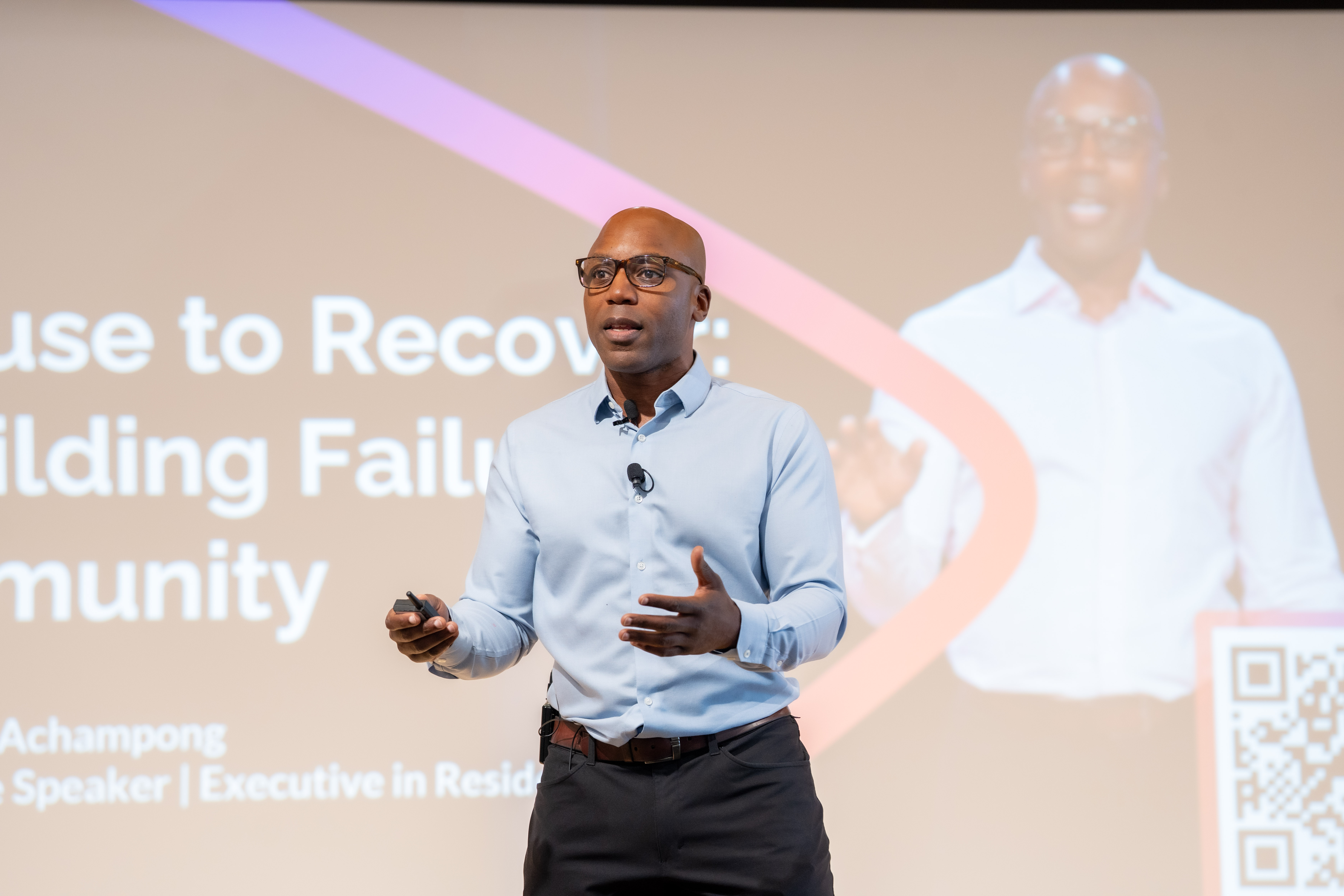
Developing Healthy Arrogance
Confidence is not something you wait for. It is something you decide. This session is built for leaders who are done letting self-doubt run the room. It gets to the heart of what real leadership confidence looks like, not the performed kind that collapses under pressure, but the grounded kind that shows up before you feel ready, holds when the stakes are high, and leaves a mark on everyone in the room with you. You already have what it takes. This session helps you finally lead like it.
Key Takeaways
Own the Room
A stronger sense of authority and presence that people feel before you say a word.
Lead With Conviction
A clearer, more grounded way of showing up that others naturally want to follow.
Act Before Ready
The ability to move forward with confidence even when certainty hasn't arrived yet.
Trust Your Voice
Deeper self-trust in high-stakes moments so doubt stops being the loudest thing in the room.
From Enduring Life To Experiencing It
Many people aren’t exhausted because they’re doing too much, they’re exhausted because they never stop long enough to check whether what they’re doing still makes sense. Pause to Renew is a reflective, human talk about slowing down just enough to notice what constant motion has quietly pushed aside. It explores the difference between enduring life and actually experiencing it, and the subtle ways pace, pressure, and expectation can pull us out of alignment with what matters most. Rather than offering escape or quick fixes, this talk creates space to breathe, reflect, and regain perspective. It’s about the quiet power of pausing, not to stop moving forward, but to move forward with greater intention, clarity, and presence.
Key Takeaways
Release the Pressure
Relief from the constant feeling of having to push, perform, or power through.
Live in Alignment
A stronger sense of alignment between how they live and what they truly value, instead of drifting on autopilot.
Clarify What Matters
Clearer perspective on what actually matters and what no longer needs their energy.
Show Up Present
A calmer, more present way of showing up to both work and life.
From Enduring Life To Experiencing It
Many people aren’t exhausted because they’re doing too much, they’re exhausted because they never stop long enough to check whether what they’re doing still makes sense. Pause to Renew is a reflective, human talk about slowing down just enough to notice what constant motion has quietly pushed aside. It explores the difference between enduring life and actually experiencing it, and the subtle ways pace, pressure, and expectation can pull us out of alignment with what matters most. Rather than offering escape or quick fixes, this talk creates space to breathe, reflect, and regain perspective. It’s about the quiet power of pausing, not to stop moving forward, but to move forward with greater intention, clarity, and presence.
Key Takeaways
Release the Pressure
Relief from the constant feeling of having to push, perform, or power through.
Live in Alignment
A stronger sense of alignment between how they live and what they truly value, instead of drifting on autopilot.
Clarify What Matters
Clearer perspective on what actually matters and what no longer needs their energy.
Show Up Present
A calmer, more present way of showing up to both work and life.
From Enduring Life To Experiencing It
Many people aren’t exhausted because they’re doing too much, they’re exhausted because they never stop long enough to check whether what they’re doing still makes sense. Pause to Renew is a reflective, human talk about slowing down just enough to notice what constant motion has quietly pushed aside. It explores the difference between enduring life and actually experiencing it, and the subtle ways pace, pressure, and expectation can pull us out of alignment with what matters most. Rather than offering escape or quick fixes, this talk creates space to breathe, reflect, and regain perspective. It’s about the quiet power of pausing, not to stop moving forward, but to move forward with greater intention, clarity, and presence.
Key Takeaways
Release the Pressure
Relief from the constant feeling of having to push, perform, or power through.
Live in Alignment
A stronger sense of alignment between how they live and what they truly value, instead of drifting on autopilot.
Clarify What Matters
Clearer perspective on what actually matters and what no longer needs their energy.
Show Up Present
A calmer, more present way of showing up to both work and life.
Keynote Highlights
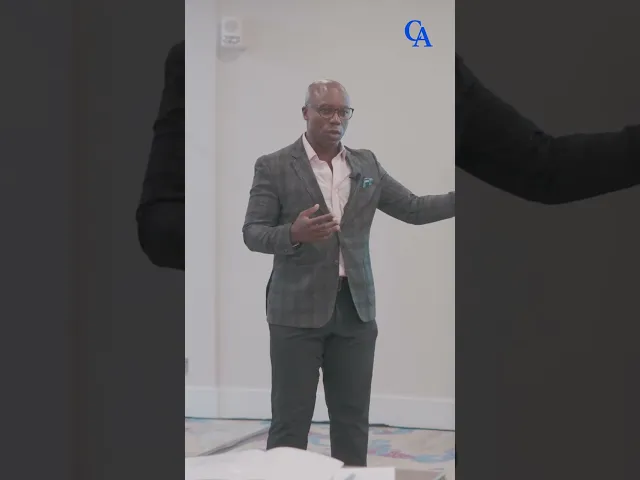
Charles’s energy, delivery, and ability to connect with any audience.
Global Entrepreneurship Speaker Reel #1
Global Entrepreneurship Speaker Reel #2